

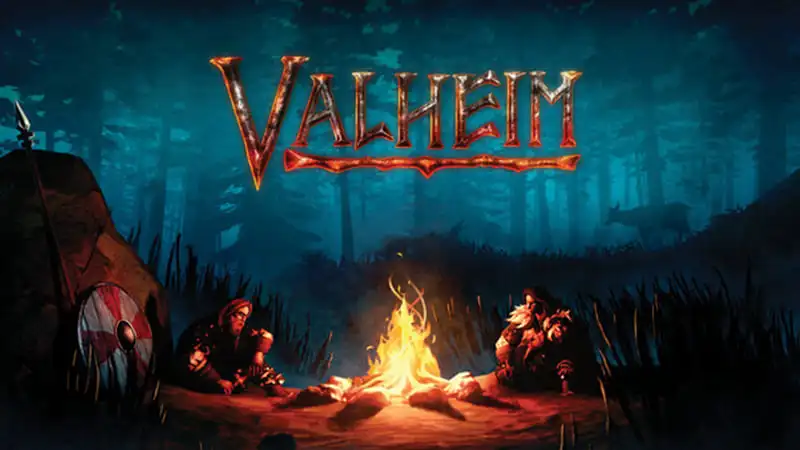
Valheim has finally reached Nintendo’s new console alongside the game’s full 1.0 release. Our Valheim Switch 2 review finds one of the strongest survival games available on the system, backed by excellent exploration, flexible building and full crossplay. However, the Switch 2 version also arrives with some noticeable performance problems that keep it from feeling completely polished at launch.
A Survival Game That Respects Your Time
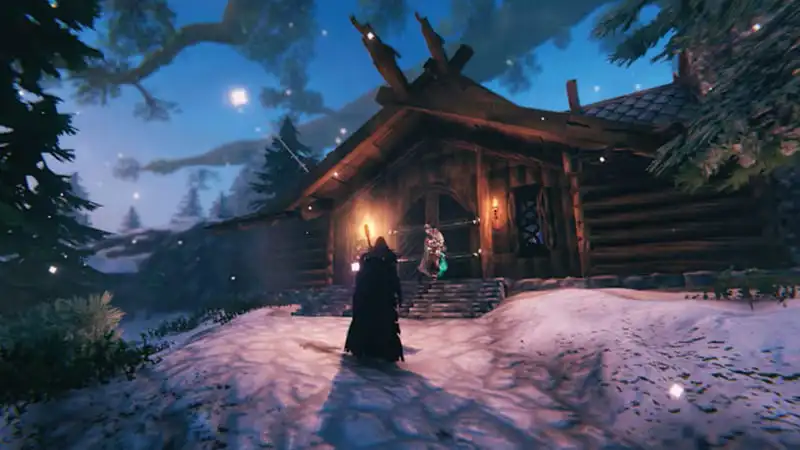
Valheim drops you into a procedurally generated Viking world with very little equipment and even fewer answers. From there, the structure is easy to understand. You gather resources, craft better tools, build a shelter and slowly push into more dangerous biomes.
What makes the progression work is how naturally each system connects to the next. A new material can unlock better weapons, stronger armor or new crafting stations. Better equipment then gives you a reason to travel farther from home.
Food also works differently from many survival games. You are not constantly eating just to stop a hunger meter from killing you. Instead, different meals affect your maximum health and stamina. Choosing the right combination becomes especially important before difficult expeditions or boss fights.
Exploration Still Feels Like the Heart of Valheim
The world is divided into biomes with their own enemies, resources and environmental hazards. Meadows provide a relatively gentle starting point, while later areas demand much better preparation.
Travel becomes increasingly important as the world expands. Eventually, building a boat and crossing the ocean feels just as important as improving your weapons. Finding a distant shoreline can lead to valuable resources, dangerous creatures or the perfect location for a new base.
Valheim rarely tells you exactly where to go next. That freedom can occasionally make progression feel slow, but it also makes exploration more rewarding. Discoveries usually feel like something you found rather than something the game placed directly in front of you.
The 1.0 release also adds the Deep North biome alongside new enemies, equipment, materials, food and building pieces. As a result, Switch 2 players are entering Valheim at a much more complete stage than its original Early Access launch.
Building Is More Than Decoration
Building remains one of Valheim’s best systems. You can put together a small wooden cabin, a fortified settlement or an enormous Viking hall.
There is more depth here than simply snapping walls together. Structures need proper support, which means ambitious buildings require some planning. Smoke also needs somewhere to escape, while beds, crafting stations and comfort bonuses encourage you to think about how each room is arranged.
The system feels particularly satisfying because your base has a real purpose. It becomes somewhere to repair equipment, cook food, store materials and prepare for the next journey.
You can easily spend hours improving a settlement even when the game is not directly asking you to do so.
Combat Can Be Simple, but Preparation Matters
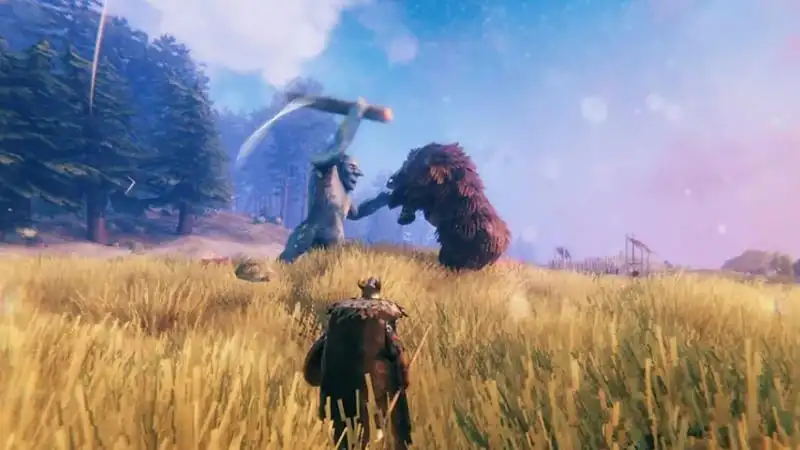
Combat is built around blocking, dodging, stamina management and choosing the right weapon for the situation. Swords, axes, bows and heavier weapons behave differently enough to encourage experimentation.
Individual encounters are not as mechanically deep as a dedicated action RPG. However, Valheim makes preparation part of the fight.
Heading into a dangerous biome without suitable food, rested bonuses or upgraded equipment can turn a normal encounter into a disaster. Boss battles push this idea even further and often act as major milestones in progression.
Death also has consequences. Your inventory remains at the location where you fell, creating those wonderfully awful moments where retrieving your equipment becomes an adventure of its own.
Multiplayer Makes Valheim Even Better
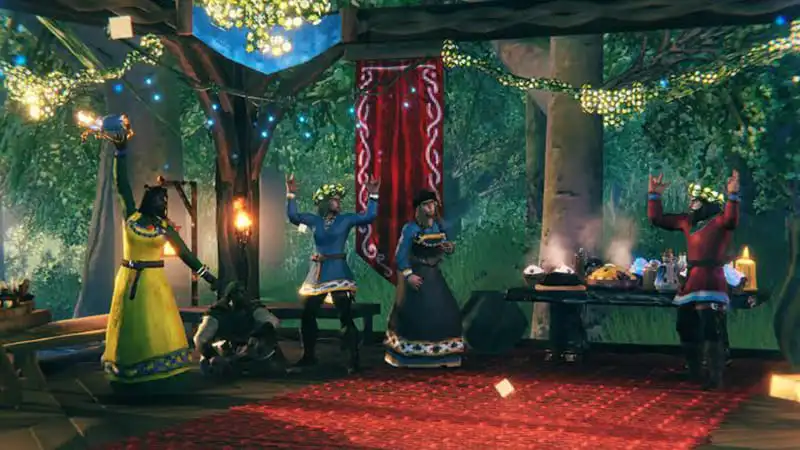
Valheim can be played alone, but multiplayer remains one of its biggest strengths.
Up to ten players can share a world, and the Switch 2 version supports full crossplay with the other platforms. That makes this release particularly useful for anyone whose friends already play elsewhere.
A group can divide jobs naturally. One player might gather materials while someone else improves the settlement or prepares food. Longer expeditions also become more manageable when several players travel together.
Importantly, multiplayer does not completely change the core structure. Solo players can still experience the full progression without needing a group.
Switch 2 Controls Are Surprisingly Well Considered
Iron Gate and port developer Piktiv have added several features specifically for Nintendo Switch 2.
Joy-Con 2 mouse controls are supported, which can be useful when navigating menus or working with Valheim’s building system. Touchscreen menu support is also included, alongside gyroscope aiming and advanced vibration.
These additions are more useful here than they might sound on paper. Inventory management and construction involve plenty of cursor movement, so having another control option can make longer sessions more comfortable.
The portable format also suits Valheim extremely well. Resource gathering, building improvements and shorter exploration runs fit naturally into handheld sessions.
Performance Is the Main Problem
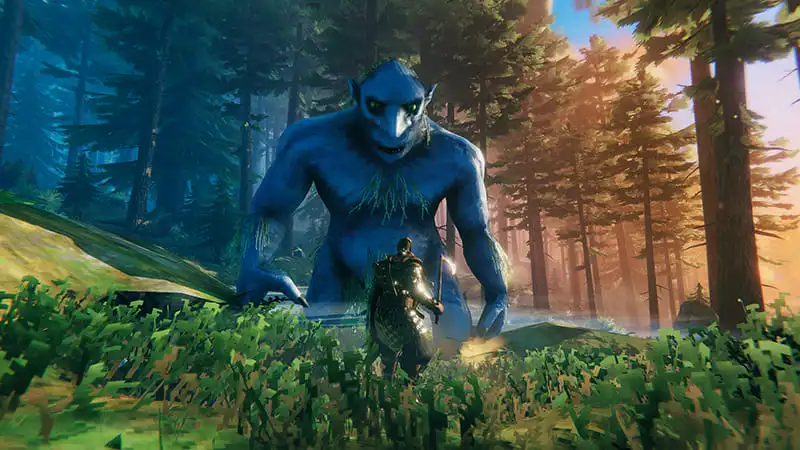
This is where the Switch 2 version currently loses some ground.
Valheim includes Quality, Balanced and Performance graphics options. Early testing from players indicates targets of roughly 30, 40 and 60 frames per second depending on the selected mode.
Performance mode provides the smoothest experience when it holds its target, but image quality can look noticeably softer. Balanced mode is an appealing middle ground for players who prefer a cleaner image without dropping all the way to 30 FPS.
The bigger issue is stuttering.
Launch-day reports show noticeable pauses when entering new areas or generating parts of the world. Some players have also reported frame drops during heavier scenes. The severity appears to vary, but the issue is common enough that it should not be ignored.
Performance can settle down after an area has loaded, and handheld play may feel smoother in some situations. Even so, Switch 2 owners expecting a locked 60 FPS experience should adjust their expectations for now.
The developers have already indicated that further optimization work will continue. Hopefully, patches can improve frame pacing because the underlying port has plenty going for it.
Verdict
Valheim feels almost perfectly suited to a handheld system. Its mixture of exploration, crafting, building and gradual progression makes it easy to play for twenty minutes or disappear into for an entire evening.
The Switch 2 version also gets important details right. Full crossplay removes platform barriers, while mouse controls, touchscreen support and gyro give players more ways to interact with the game.
Unfortunately, launch performance prevents this from being an effortless recommendation. Stuttering during exploration is particularly unfortunate in a game where discovering new areas is such a major part of the experience.
Still, the problems do not erase what Valheim does well. This is a deep, flexible survival game with an enormous amount of content and one of the genre’s most satisfying progression loops.
If future updates smooth out the performance issues, Switch 2 could become one of the most convenient ways to play Valheim.
Score: 8/10

