

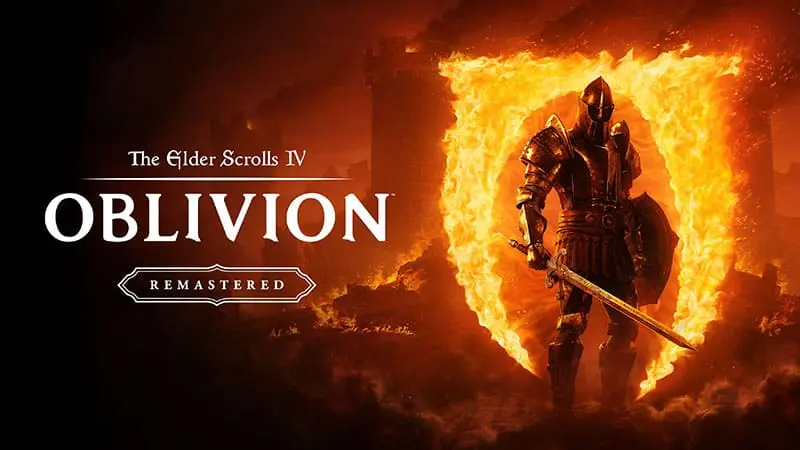
The Elder Scrolls IV: Oblivion Remastered has finally made its way to Nintendo Switch 2, bringing one of Bethesda’s most memorable RPGs to a portable Nintendo system for the first time. This is not simply the 2006 game running at a higher resolution, either. Oblivion Remastered rebuilds much of Cyrodiil’s visual presentation while keeping the quests, strange characters, open-ended exploration and occasionally ridiculous Bethesda moments that made the original so memorable.
The Switch 2 version obviously cannot match the visual quality of the more powerful consoles or PC. However, the important question is whether Oblivion Remastered still works as a large open-world RPG on Nintendo’s new hardware. For the most part, the answer is yes.
Cyrodiil Still Knows How to Distract You
Oblivion begins with a fairly straightforward escape from an Imperial prison. It does not stay straightforward for long.
Once you reach the surface, Cyrodiil opens almost completely. You can follow the main story, walk toward a distant ruin, join a guild or simply disappear into the countryside for several hours. That freedom remains one of the game’s greatest strengths.
The main quest revolves around the Oblivion Gates appearing across the province, but some of the best moments happen far away from it. The Dark Brotherhood, Thieves Guild and Mages Guild questlines frequently feel like complete stories of their own.
Side quests are also much more memorable than the usual collection of map markers. A seemingly ordinary conversation can lead to a murder mystery, a strange village or an elaborate theft. Oblivion is at its best when you stop worrying about the objective marker and allow yourself to get distracted.
The Remaster Changes More Than the Graphics
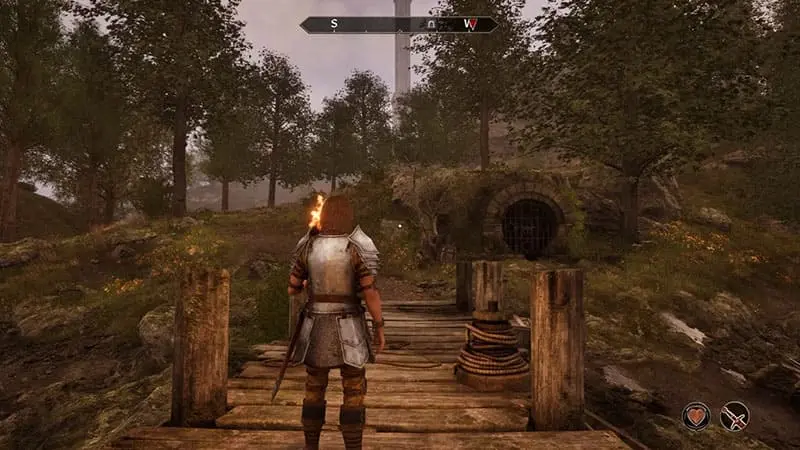
The biggest difference is obvious as soon as you step outside. Cyrodiil looks dramatically different from the original game.
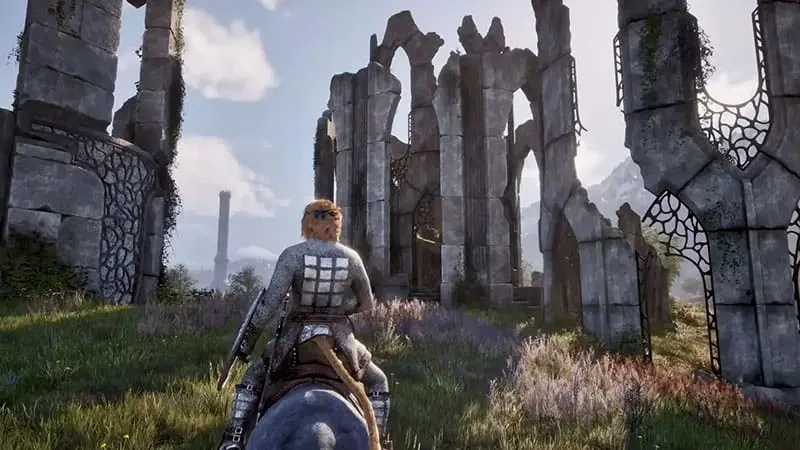
Forests are denser, lighting is more natural and settlements contain far more visual detail. Character models have also been rebuilt, although Oblivion has not completely lost the slightly awkward faces and expressions that have become part of its identity.
More importantly, several systems have been modernized.
Movement feels less stiff, animations are smoother and combat has noticeably more impact. Attacks now feel heavier, while improved visual and audio feedback makes melee encounters more satisfying than they were in 2006.
The interface has also been redesigned for modern screens. Menus are easier to navigate, and the updated presentation makes inventory management less frustrating.
Leveling has received changes as well. The original Oblivion could punish players for choosing or improving skills in unusual ways. The new system is easier to understand and removes some of that unnecessary friction without turning the game into something completely different.
Combat Is Better, but It Is Still Oblivion
Anyone expecting Skyrim with an Oblivion map may need to adjust their expectations.
Combat is certainly improved, but the systems underneath remain closely connected to the original game. Sword fights can still become slightly awkward, enemy reactions are not always convincing and Bethesda’s familiar animation quirks regularly appear.
Magic remains one of the more interesting options because Oblivion gives you plenty of freedom to experiment with spells and character builds. Stealth, archery and melee characters are equally viable, while the class system gives you considerably more control over how your character develops.
The result sits somewhere between old and new. Oblivion Remastered removes enough rough edges to make the game easier to return to, but it does not erase everything that makes Oblivion feel like Oblivion.
That turns out to be a good thing most of the time.
How Does Oblivion Remastered Run on Switch 2?
This is where the Switch 2 version becomes particularly interesting.
Oblivion Remastered targets 30 frames per second on Nintendo’s hardware. The docked version runs at up to 1080p, while handheld play targets 900p. DLSS is used to help maintain image quality and performance.
Most exploration feels perfectly playable at 30 FPS. Walking through forests, exploring dungeons and completing quests rarely feels uncomfortable. However, performance is not completely locked.
Frame-rate drops can appear in demanding outdoor areas and busier interiors. They are noticeable, especially if you have already played the game at a higher frame rate elsewhere.
That means Switch 2 is not the platform to choose if performance is your only priority.
However, handheld mode changes the equation considerably.
Being able to explore Cyrodiil from a portable system suits Oblivion surprisingly well. Short dungeon runs, side quests and random exploration work naturally in handheld sessions. Image quality also holds up well enough that the remaster still feels like a substantial visual upgrade over the original.
Switch 2 Features Actually Matter
Bethesda has also included features that make use of the Switch 2 hardware rather than treating the system as another basic port.
Gyro aiming is available, which works particularly well with bows. Joy-Con 2 mouse controls provide another option for navigating and aiming, while touchscreen support gives the system another small advantage in handheld mode.
None of these additions completely change the game, but they are welcome.
The important point is that the Switch 2 version does not feel neglected. There has clearly been some effort to adapt Oblivion Remastered to Nintendo’s hardware instead of simply reducing the graphics until the game runs.
There Is an Enormous Amount of Content
Oblivion Remastered also includes far more than the original base game.
The package contains Knights of the Nine and Shivering Isles alongside the smaller downloadable content released for Oblivion over the years.
Shivering Isles remains the highlight. Its strange environments, unusual characters and completely different tone make it feel almost like another RPG attached to the main game.
For anyone starting Oblivion for the first time, there is easily enough here to consume dozens of hours. Players who enjoy exploring every dungeon and completing every guild storyline can spend considerably longer.
The game also retains the unpredictability that makes Bethesda RPGs difficult to replace. NPCs behave strangely, conversations occasionally become unintentionally hilarious and unexpected encounters can completely derail whatever you planned to do.
Some games would suffer from that level of chaos. Oblivion almost benefits from it.
Verdict
Oblivion Remastered on Switch 2 is not the technically best version of Bethesda’s RPG. The 30 FPS target and occasional performance drops make that clear.
It may still be one of the most convenient versions.
The enormous world works extremely well as a handheld game, while the updated visuals, improved controls and modernized systems make Cyrodiil much easier to return to than the original 2006 release.
More importantly, the things that made Oblivion special are still here. The strange quests remain strange, the guild storylines remain excellent and wandering away from the main objective can still consume an entire evening.
Switch 2 owners looking for a huge single-player RPG are getting a strong version of Oblivion Remastered. It has technical compromises, but they rarely overshadow the freedom, personality and sheer amount of content waiting beyond the Imperial Prison.
Score: 8/10

