


Tales of Xillia Remastered takes the series’ strong foundation from the PS3 era and adapts it to today’s user habits. The goal isn’t a radical remake; rather, it’s tweaks that ease the gameplay and increase replayability. You start by choosing one of two main characters (Jude or Milla) and experience the same events with different emphasis. This structure promises to be more than just a one-shot, one-shot adventure.
Story
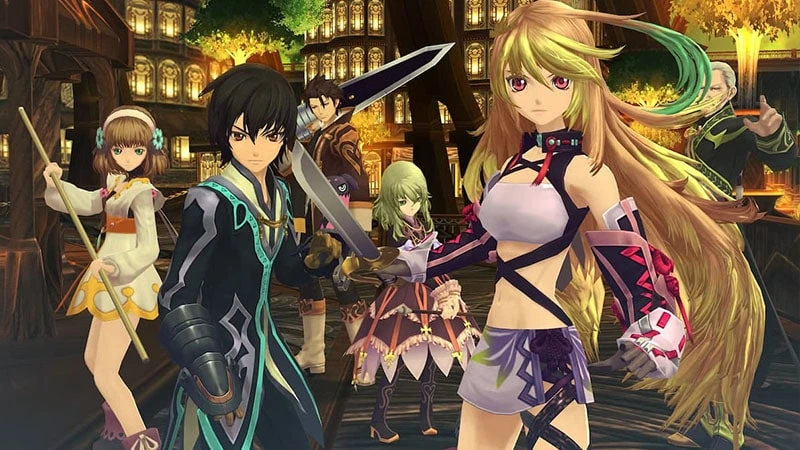
The story follows a conspiracy unfolding between two countries, seemingly at odds with each other. While Jude’s side follows a more “student-research-questioning” axis, Milla’s side has clearer decisions and clearer goals. The dialogue is simple and mostly short; the plot isn’t bloated with unnecessary scenes. The supporting characters are functionally written: no one in the team is forced to “talk about it”; their entry into the scene somehow gains meaning through the quest or combat mechanics.
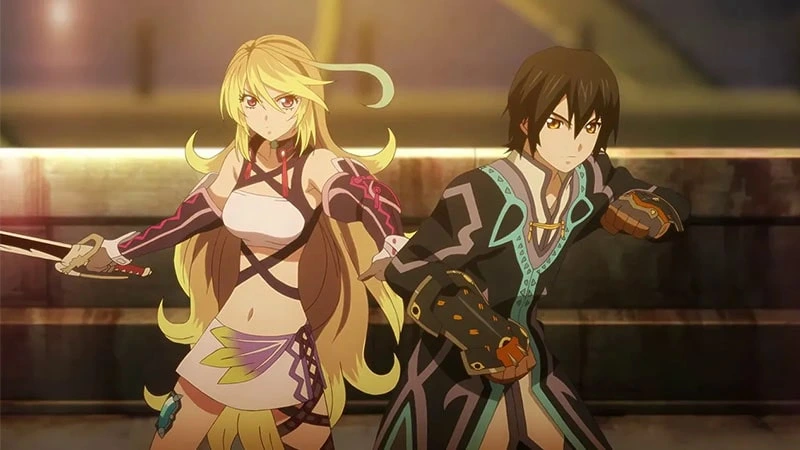
The scene order and emphasis between the two routes are balanced. By the end of the first round, a feeling of “okay, I get the story” is established; in the second round, some motivations and side relationships become clearer. These differences aren’t just at the “few new sentences” level; they affect the tone of the events and the interpretation of the character relationships. In short, the second round isn’t for “collection,” but for genuine content.
Battle System
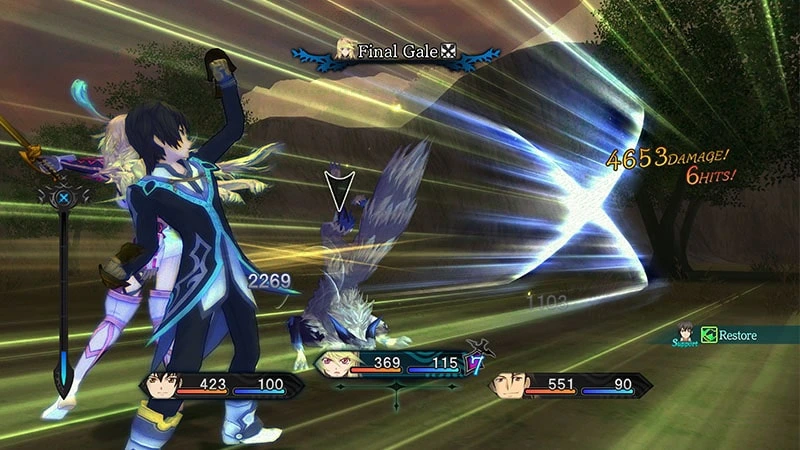
Combat is real-time and intuitive, as fans of the Tales series have come to expect. The basic loop:
- Approach your target, capture the gaps.
- Open a window of vulnerability with short- to medium-range chains.
- Link with your matched character and activate additional effects.
- Extend your combo and secure a safe exit with finishing abilities.
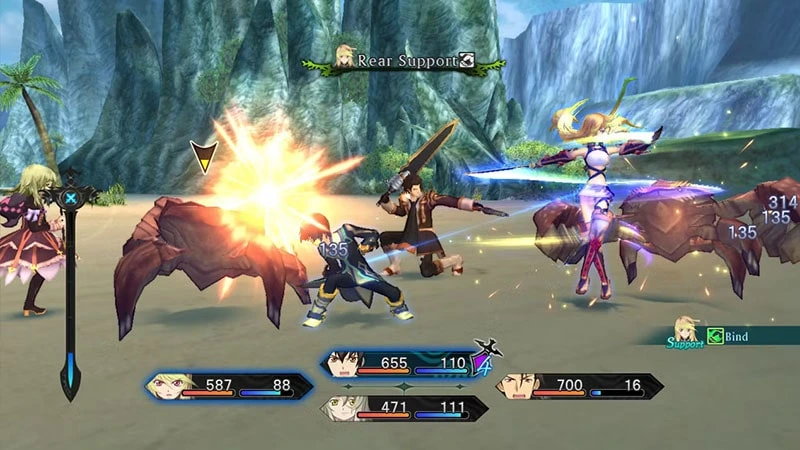
The process takes a few minutes to grasp; mastering it requires learning positioning and timing based on enemy types. Animation cues are clear: if an enemy is preparing a heavy attack, they signal with their body language; you choose between breaking, stunning, or dodging. The battle screen is noise-free; damage, status, and resource indicators are clear.
Local co-op is functional: you can bring a friend into battle on the same screen. This is a rare feature in JRPGs and fits well with the gameplay. Splitting roles on bosses (one player stuns while the other prepares a finish) yields quick results.
Quality of Life
The backbone of this remaster is the QoL aspect. Four key elements stand out:
- Auto-save: Vital for short sessions. When you venture into a dungeon, your return won’t be a problem.
- Turn on/off random encounters: Keeps the path clear when you want to focus on exploration; turn them back on when you want to level up.
- Minimap and markers: Collectibles and side detours are more visible, reducing the feeling of “wasted wandering.”
- Early access to the Grade Shop: Some comfort settings previously unlocked after a new game are available earlier in the first round. This doesn’t deter replay motivation until later.
The QoL package adapts the game to your daily routine: if you have an hour to spare, you can progress; if you have two or three hours, you’ll quickly consume the content.
Exploration, side quests, and dungeon design
The dungeons are a mix of linear and semi-linear. They’re not too deep for those who prefer to “get lost and wander the labyrinth for three hours,” but they’re not obscure either. Mini-puzzles are solved smoothly; enemy placements aren’t overly dramatic. Side quests are mostly short, dialogue-driven, and submission-focused; a few side quests offer small mechanical surprises. The overall picture: a design approach that’s well-established, but thanks to the QoL, friction is low.
Interface and Sound
Settings like text size, subtitles, vibration, camera speed, and reverse axis are all in place. Target lock and target switching are seamless. Automatic scene skipping/replaying quickly allows for efficient time management during the second round. Map markings and simple filters streamline exploration.
The music changes with the tempo of the scene and doesn’t drag on. Battle themes are energizing, while urban and terrain tracks are easy on the ears. Sound effects are clear: hits, shield breaks, and stuns are easily distinguished by ear. The English/Japanese voiceovers are clear and appropriate to the character.
According to whom, and not to whom?
Recommended for:
- Those new to JRPGs who don’t want to be overwhelmed by complex systems.
- Those who want team play in local co-op.
- Those who want to “play an old game with modern comfort and no problems.”
Consideration:
- Those looking for an open world and a flood of free activities.
- Those looking for “entirely new levels and brand new mechanics.”
- Those who want modern variety in side quests.
Pros / Cons
Pros
- Two-character narrative makes the second round truly meaningful.
- Real-time combat is fluid, and feedback is clear.
- Local co-op supports 1–4 players.
- Auto-save, match on/off, minimap improvements, and early Grade settings are a huge plus for everyday use.
- Overall cross-platform stability; detailed settings on PC.
Cons
- Some of the side quests are still “classic” and straightforward.
- Some visual models are showing their age.
- On Switch, handheld mode feels inherently limited.
- The content expansion is focused on “improvement”; it may not satisfy those expecting a radically new chapter.
Conclusion and Note
Tales of Xillia Remastered achieves its goal of “carrying the past intact and adapting it to the rhythm of today.” The combat system remains enjoyable, the ease of use appeals to today’s players, and the second-round value is genuine. There’s no major revolution, but it’s a solid, problem-free, and long-lasting JRPG package.
Our rating: 8.5 / 10
Short verdict: A reliable, effortless, and highly replayable remaster.

