

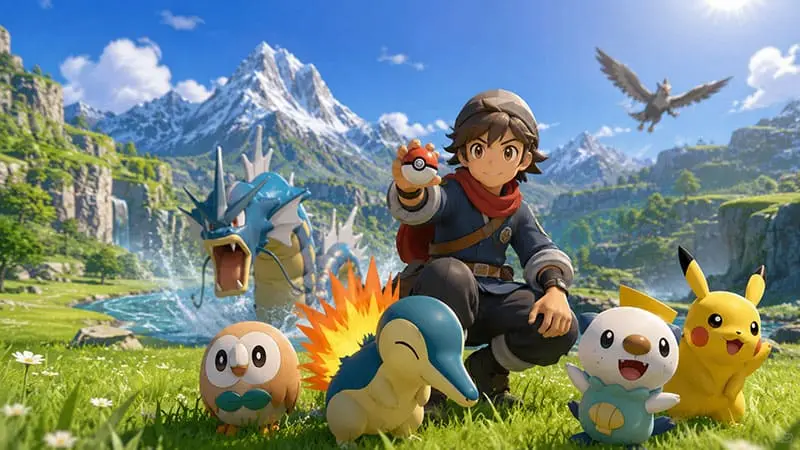
Pokémon may be the first name that comes to mind when talking about monster-catching RPGs, but it is far from the only option on Nintendo hardware. The Switch library now includes games that take the basic idea of collecting creatures and push it in very different directions. Some focus on tougher turn-based battles, while others introduce fusion systems, online co-op, farming or much deeper creature development.
That variety also means you do not need to be looking for a straight Pokémon replacement. The best Pokémon-like games on Nintendo Switch often work because they borrow the parts people enjoy — building a team, discovering new monsters and watching them grow — without copying everything around them.
Here are ten of the strongest choices available on Nintendo Switch and Switch 2.
Shin Megami Tensei V: Vengeance
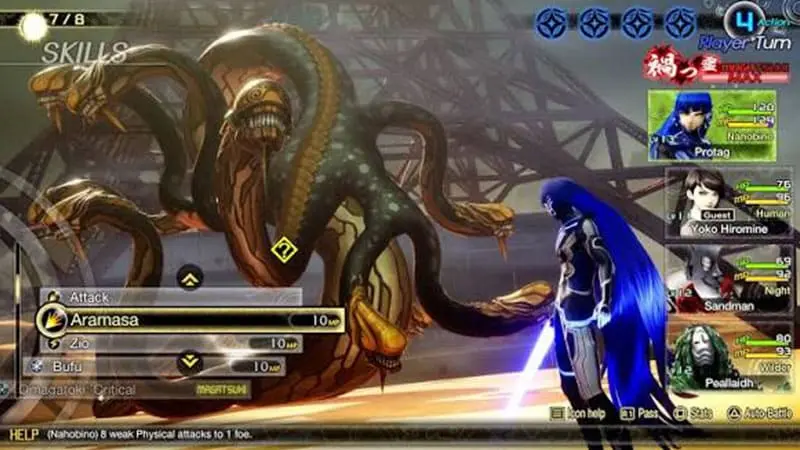
Shin Megami Tensei V: Vengeance is probably the darkest game on this list, and it treats monster collecting very differently from Pokémon. Instead of simply throwing a device at weakened creatures, you negotiate with demons during battle. They can demand money, items or particular answers before agreeing to join you.
Once recruited, demons can be fused together to create stronger allies, which makes team building a constant process rather than something you finish early in the game. The Press Turn battle system also rewards exploiting enemy weaknesses with additional actions, while mistakes can quickly hand the advantage to your opponent.
Vengeance expands the original game with a second story route, new areas and additional demons. It now features around 270 demons overall. For players who enjoy elemental matchups but want harder battles and far more control over party construction, this is one of the strongest options on Switch.
Ooblets
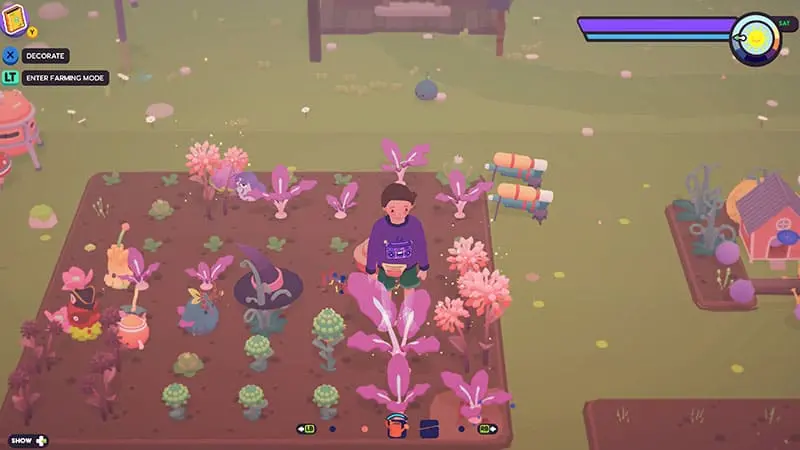
Ooblets takes the creature-collecting formula somewhere much lighter. There are no traditional monster battles here. Instead, your Ooblets compete in dance-offs where moves are played through a card-based system.
That change immediately gives the game its own identity. You build a team, unlock new dance moves and enter tournaments, but those activities sit alongside farming, crafting, decorating your house and helping people around Badgetown. New Ooblets can even be grown on your farm, which fits neatly with the game’s relaxed life-sim structure.
It is less interested in creating a competitive monster-battling RPG and more interested in giving players a world they can slowly build a routine around. Anyone who likes the collecting side of Pokémon more than constant combat should find plenty to do here. Ooblets also works on Switch 2 through backward compatibility.
World of Final Fantasy Maxima
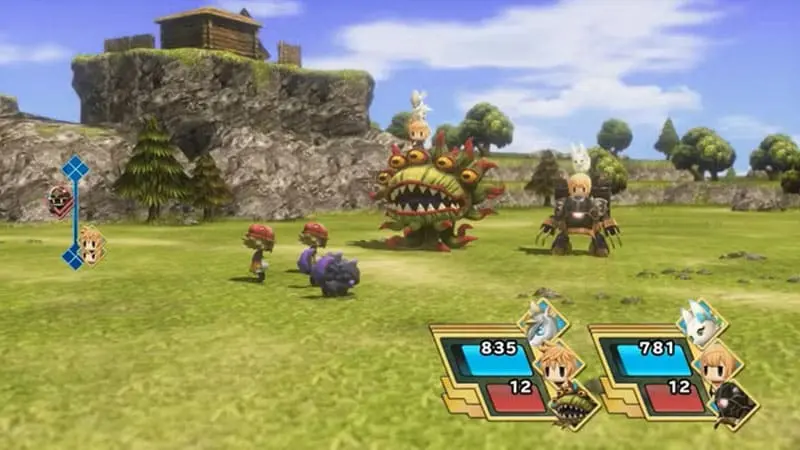
World of Final Fantasy Maxima combines Final Fantasy with a surprisingly elaborate monster-collecting system. The creatures here are called Mirages, and many of them can be captured after meeting specific conditions in battle.
The clever part is what happens after that. Rather than simply placing three monsters next to each other, the game lets you create “Stacks” by putting characters and Mirages of different sizes together. Changing the stack can alter stats, elemental resistances and available abilities, so finding the right combination becomes an important part of combat.
Maxima is also the expanded version of the original game. It adds extra Mirages and the Avatar Change system, which allows protagonists Lann and Reynn to take the form of familiar Final Fantasy Champions.
It feels recognisable as a creature-collecting RPG, but its stacking mechanic gives battles a flavour that none of the more direct Pokémon alternatives really have.
Coromon
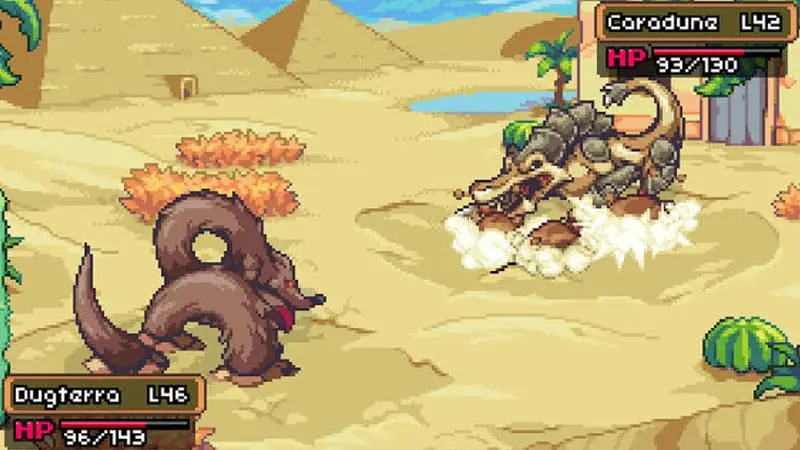
Coromon knows exactly which era of monster-catching games it wants to evoke. Its detailed pixel art, routes, trainers and turn-based battles immediately feel familiar, but there is more going on beneath the surface.
Every combat action consumes stamina, which means repeatedly using your strongest attack is not always the smartest option. Creatures also have different traits and skills, adding another layer when putting a team together. More than 100 Coromon can be collected across the game’s different regions.
One of its best ideas is how much control it gives the player over difficulty. The settings can change actual rules instead of merely increasing enemy health. There are even built-in Randomizer and Nuzlocke options for players who want something less predictable.
Coromon is therefore a particularly good fit for people who miss the structure of older Pokémon games but would like a few modern systems layered on top. The Switch version is also supported on Switch 2.
Temtem
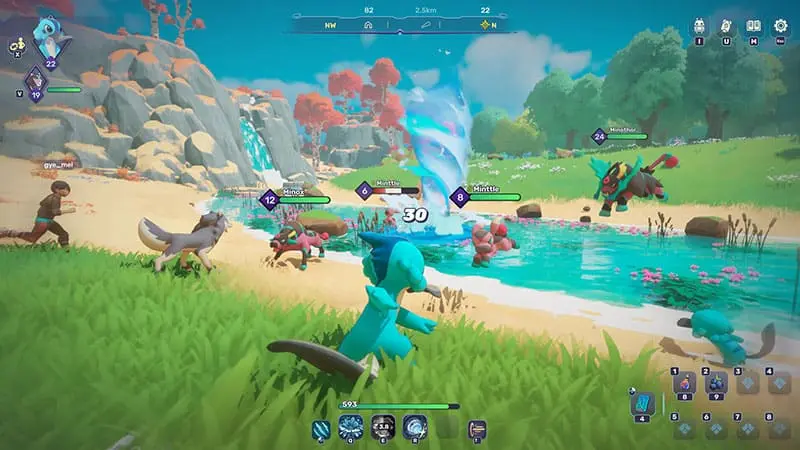
Few games invite comparisons with Pokémon as directly as Temtem does. You travel between six islands, capture creatures, challenge other tamers and eventually face a series of Dojo Leaders. However, the similarities become less important once the battle system starts opening up.
Most encounters are built around two-versus-two combat. Techniques consume stamina rather than traditional move points, so repeatedly using expensive attacks can leave a Temtem exhausted. Certain moves also gain additional effects when paired with a compatible teammate, making the composition of your active pair especially important.
Temtem was designed around an online world as well. Other tamers appear while you explore, creatures can be traded, and much of the campaign can be played cooperatively with another person.
That online focus will not suit everyone, but players who always wished Pokémon placed more emphasis on multiplayer and double battles will find Temtem much closer to that idea.
Monster Hunter Stories 2: Wings of Ruin
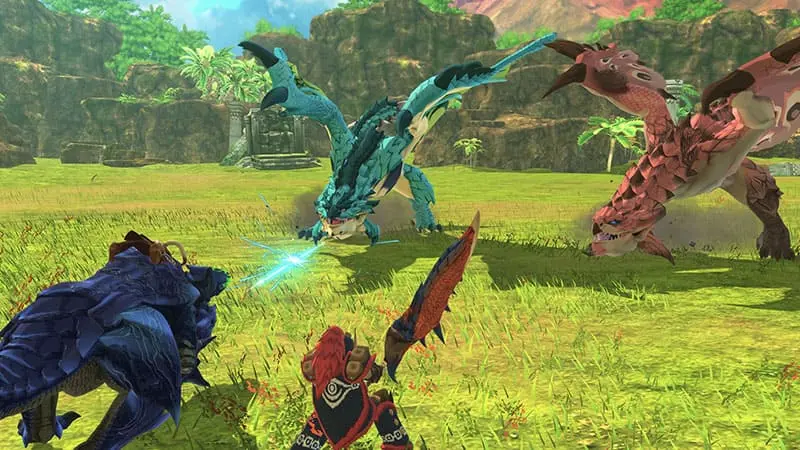
Monster Hunter Stories 2 takes creatures that are usually hunted in the main series and turns them into companions. As a Rider, you search monster dens for eggs, hatch them and build a party of “Monsties” that fight alongside your character.
Battles use a Power, Speed and Technical relationship that works almost like an expanded rock-paper-scissors system. Reading what an enemy is likely to do matters just as much as selecting the strongest attack. Your Rider also participates directly instead of standing on the sidelines.
The Rite of Channeling adds more depth once you start taking team building seriously. Genes can be transferred between Monsties, allowing their abilities and bonuses to be reshaped in ways that are not possible through simple levelling.
It is a good choice for Pokémon fans who enjoy raising creatures but want their own character to play a more active role in combat and progression.
Cassette Beasts
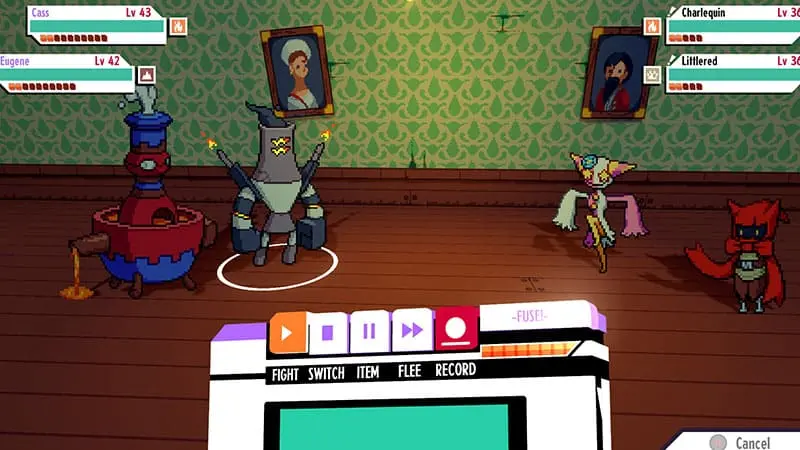
Cassette Beasts does not ask you to capture monsters in the traditional sense. Instead, you record them onto cassette tapes and transform into those creatures yourself during battle.
That single idea already changes the relationship between the player and the monsters, but the Fusion system pushes things much further. Two forms can merge during combat to create an entirely new creature that combines their characteristics. With later additions, the game has grown to 141 monsters and almost 20,000 possible fusion combinations.
Its elemental system is just as unusual. Element interactions can trigger buffs, debuffs and even changes to an enemy’s elemental properties instead of simply producing a higher damage number.
New Wirral is also structured as an open world rather than a chain of tightly controlled routes. Cassette Beasts takes plenty of inspiration from monster-catching RPGs, yet it is confident enough to break their rules whenever it finds something more interesting.
Dragon Quest Monsters: The Dark Prince
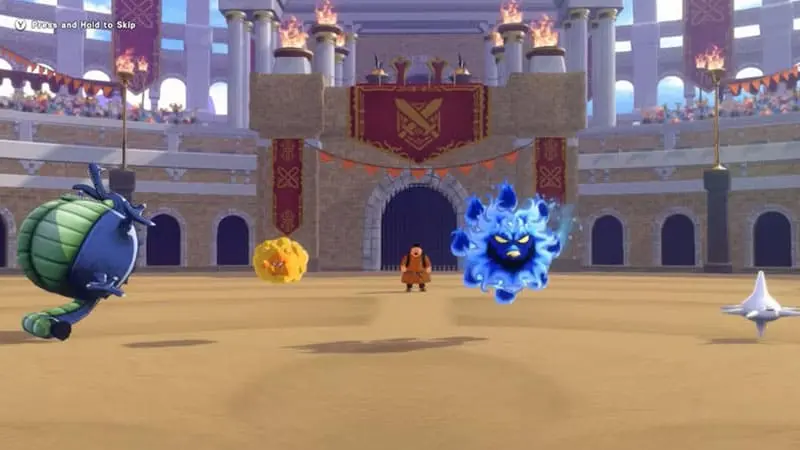
Dragon Quest Monsters: The Dark Prince is built for players who can spend far too long experimenting with a party and somehow enjoy every minute of it.
Psaro cannot directly harm monsters because of a curse. Instead, he becomes a Monster Wrangler and scouts creatures to fight on his behalf. The basic collecting loop is familiar, but synthesis quickly becomes the heart of the game.
Two monsters can be combined to create a new offspring, and that system encourages you to think several generations ahead when chasing stronger species and better abilities. You are not simply looking for the rarest monster in the wild; you are building toward it.
Nadiria also changes with the seasons, affecting its environments and the monsters you encounter. The result is a Pokémon-like RPG where breeding and party optimisation can easily become more important than simply filling out a collection.
Digimon Story: Time Stranger
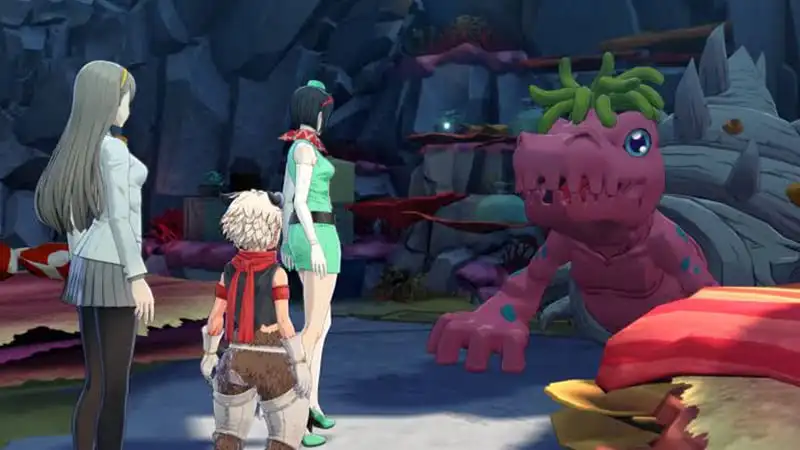
Digimon Story: Time Stranger is one of the newest additions to this list. It is also an easy recommendation for players who want a more story-driven monster RPG.
The adventure moves between the human world and the Digital World. Along the way, you collect and raise Digimon for turn-based battles. Digivolution is much less linear than traditional creature evolution. The same Digimon can follow several development paths depending on the requirements you meet.
Time Stranger is especially interesting on Nintendo’s newer hardware. The game has dedicated Switch and Switch 2 versions. On Switch 2, the Switch edition can also use an enhanced update. Quality Mode targets up to 4K HDR at 30 FPS. Performance Mode instead targets Full HD at 60 FPS.
For Pokémon fans, the familiar appeal comes from progression and team building. However, Time Stranger offers much more flexible evolution paths. That makes it one of the stronger monster RPGs on this list.
Nexomon: Extinction
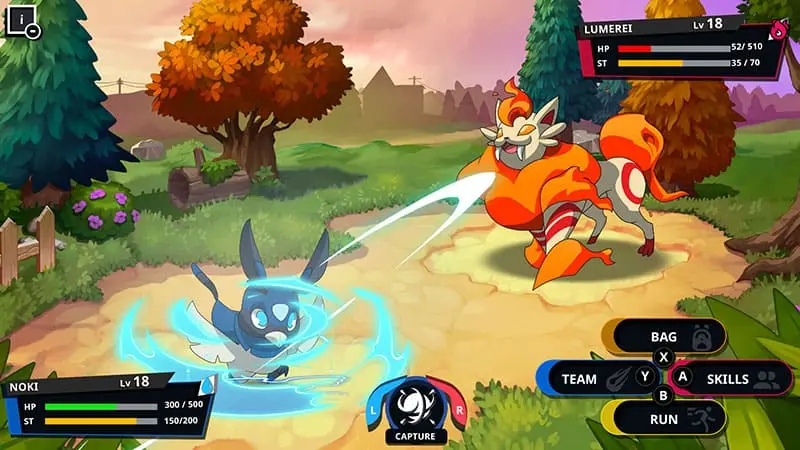
If what you really want is something close to the structure of classic Pokémon, Nexomon: Extinction does not dance around the comparison.
You choose a starter, travel through different regions, capture creatures and build a team for turn-based battles. There are 381 Nexomon spread across nine elemental types, complete with evolutions and distinct abilities. However, the world does not simply wait for you to become overpowered.
Nexomon: Extinction uses dynamic difficulty, so opposing trainers and creatures become stronger as you progress. Previously defeated trainers can even return with improved teams. That keeps earlier parts of the world relevant for longer and discourages simply overpowering everything through levels.
The regions also range from deserts and forests to freezing areas, with side quests and optional encounters scattered throughout. It may be one of the most traditional Pokémon-like games on Nintendo Switch, but it makes enough changes to avoid feeling like a simple imitation.
Which Pokémon-Like Game Should You Play?
There is no single game here that fully replaces Pokémon. Most of these titles take the basic formula in a different direction.
Coromon and Nexomon: Extinction are the easiest recommendations for players who want something more traditional. Temtem leans much harder into multiplayer. Cassette Beasts stands out with its fusion system and unusual elemental interactions.
Monster Hunter Stories 2 and Dragon Quest Monsters put more emphasis on creature development. Ooblets goes the other way and removes traditional combat almost entirely.
Shin Megami Tensei V: Vengeance and Digimon Story: Time Stranger are better choices for players who want monster collecting inside a larger RPG.
That variety is what makes the current selection of monster-catching games on Switch so strong. Pokémon may still dominate the genre. However, Nintendo players now have plenty of good reasons to look beyond the Poké Ball.

