

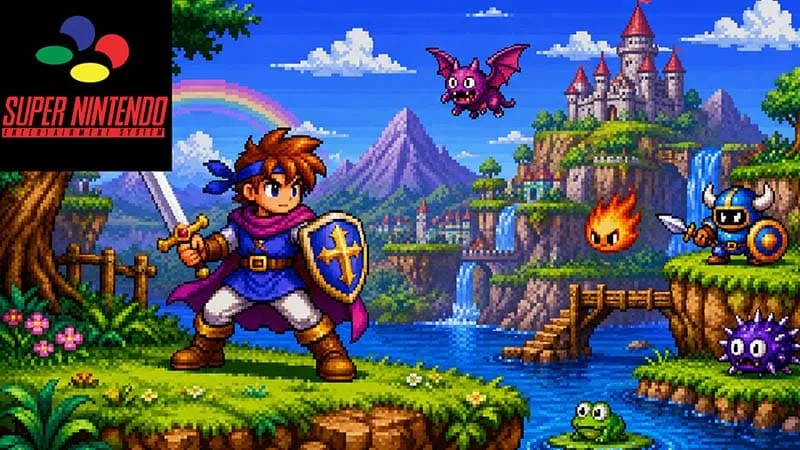
The Super Nintendo era produced the kind of games people still recognize from a few seconds of music, a single stage, or even one sound effect. For many players who grew up in the 1990s, these games were not simply things to finish. They were the games traded between friends, rented for weekends, discovered through magazines, and replayed until certain stages became almost impossible to forget.
The best SNES games also show how varied the console really was. Some developers pushed the hardware with visual tricks that looked incredible at the time. Others focused on deep RPG systems, local multiplayer, exploration, or extremely polished platforming. These 16 games represent different sides of the SNES, but they share one thing: anyone who spent enough time with Nintendo’s 16-bit console probably remembers at least a few of them immediately.
Contra III: The Alien Wars
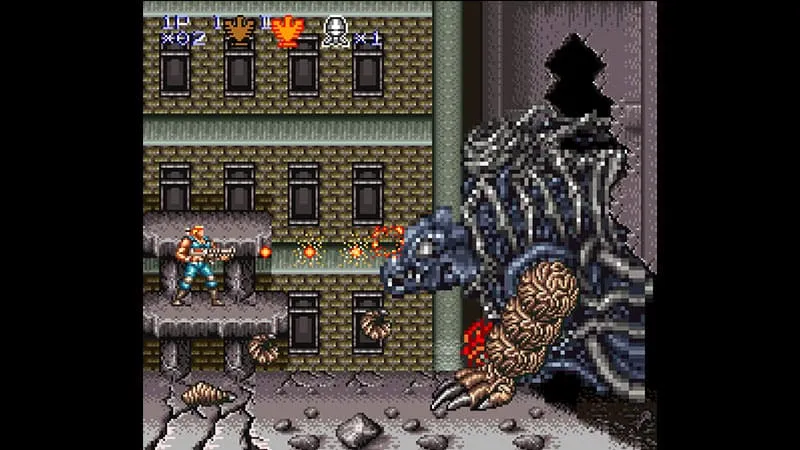
Contra III starts at full speed. Cities burn, aliens attack from every direction, and huge bosses appear before the player has much time to settle in. Two weapons can be carried at once, which helps when the screen quickly becomes crowded with enemies and projectiles.
The top-down stages also use Mode 7 to rotate the battlefield, giving the game some of the SNES era’s most memorable effects. Add two-player co-op and Contra III becomes exactly what many people remember about 16-bit action: fast, difficult, and gloriously chaotic.
Super Mario Kart
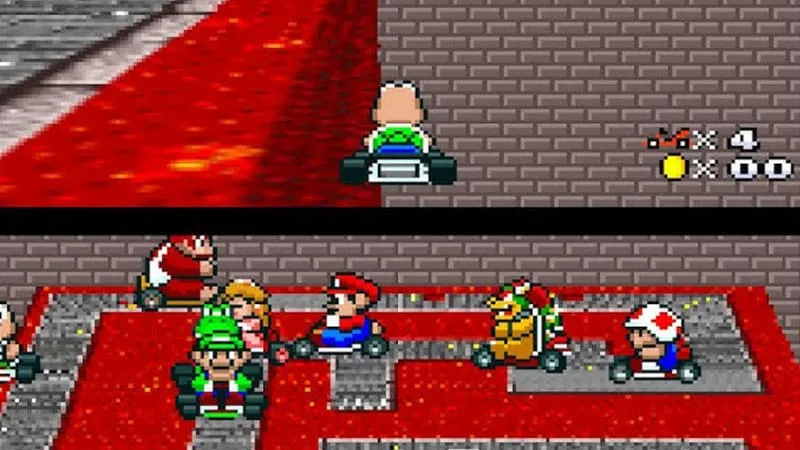
Super Mario Kart looks tiny compared with modern Mario Kart games, yet most of the series is already here. Shells, bananas, coins, different driver styles, and local multiplayer all make their debut on the SNES.
Mode 7 gives the flat tracks a sense of depth that looked impressive in 1992. Meanwhile, Battle Mode turns the game into something completely different. Racing matters, but destroying a friend’s balloons often becomes the bigger event. That simple competitive formula is still at the heart of Mario Kart today.
Final Fantasy IV
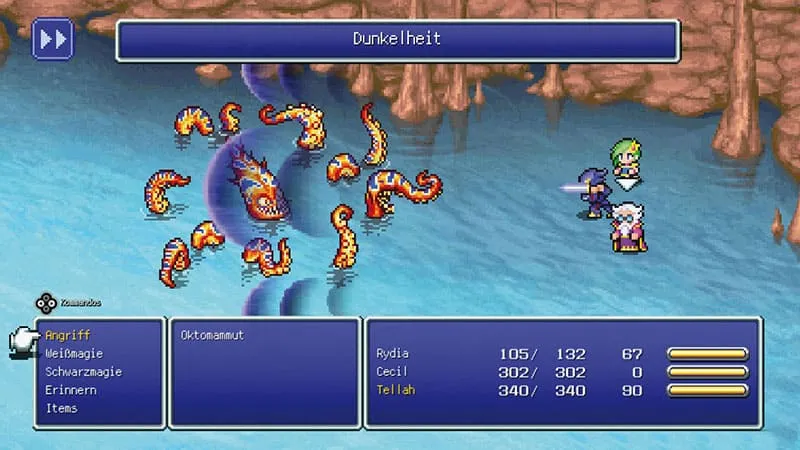
Final Fantasy IV puts much more focus on its characters than many earlier console RPGs. Cecil begins as a Dark Knight questioning the kingdom he serves, while characters such as Kain, Rydia, and Rosa move in and out of the story as the journey grows.
The game also introduces the Active Time Battle system, making fights feel faster and less predictable. North American players originally knew it as Final Fantasy II, but the name hardly matters now. Final Fantasy IV remains one of the games that helped define what story-driven JRPGs could become on the SNES.
Super Street Fighter II: The New Challengers
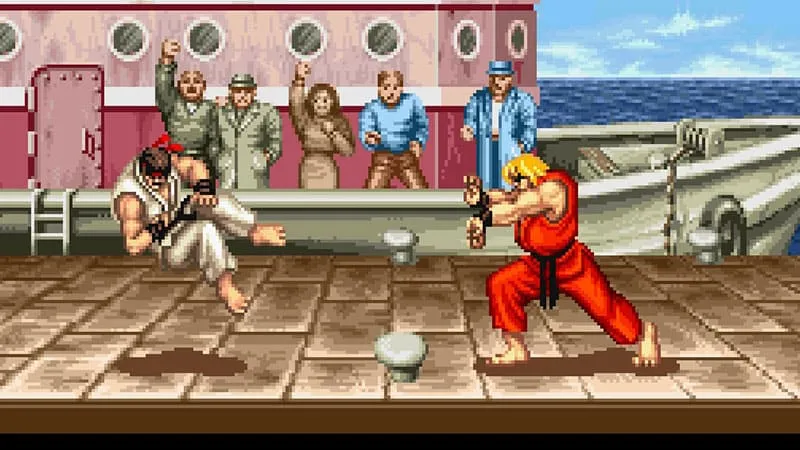
Super Street Fighter II expands the familiar Street Fighter II formula with four new fighters: Cammy, Dee Jay, Fei Long, and T. Hawk. That brings the roster to 16 characters and gives players several new styles to learn.
Existing fighters also receive new moves, portraits, and balance changes. It is not as fast as Street Fighter II Turbo, but that is part of what separates the two SNES versions. The New Challengers feels like the bigger package, especially for anyone who spent the 1990s trying to find a new favorite fighter.
Terranigma
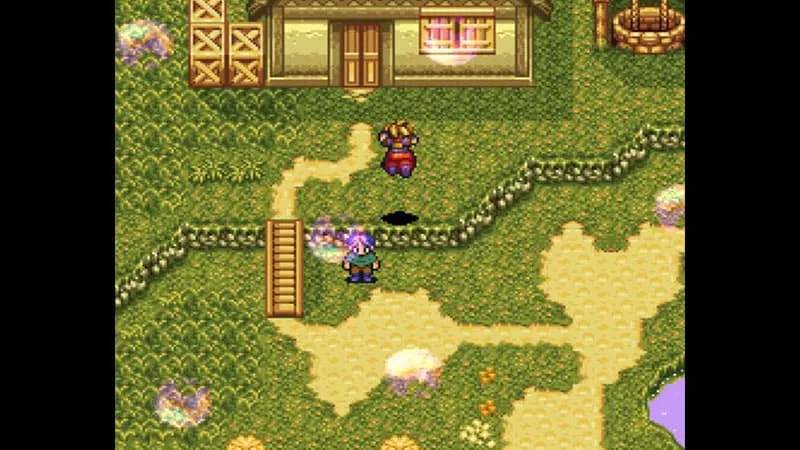
Terranigma is remembered differently because many SNES owners never had the chance to play it. The game launched in Japan and Europe but never received an official North American release.
Its story follows Ark as he helps restore a world piece by piece, bringing back continents, nature, animals, and eventually civilization. Combat happens in real time, keeping the pace much quicker than traditional turn-based RPGs. Terranigma arrived late in the SNES era, but over time it became one of the console’s most talked-about hidden classics.
Secret of Mana
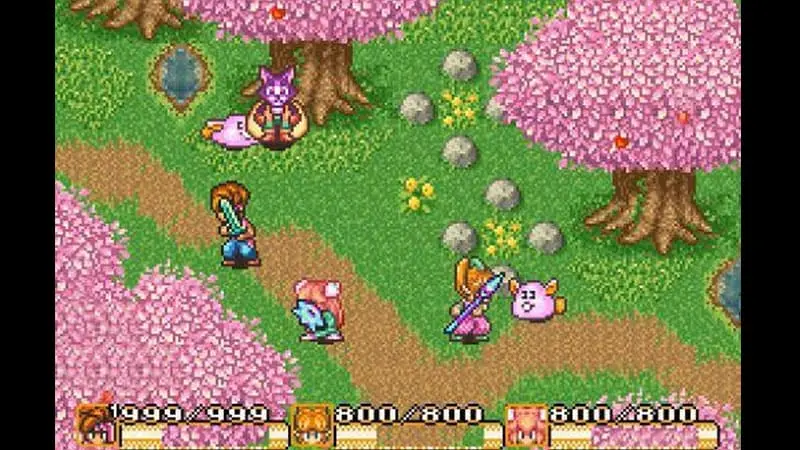
Secret of Mana takes the usual Square RPG formula and makes combat happen directly on the map. Players move around enemies freely, wait for attacks to recharge, and switch between weapons or magic through the circular Ring Command menu.
Its biggest surprise is multiplayer. Once the party grows, friends can control the other characters, and a Super Multitap even allows three people to play together. That remains unusual for an RPG today. Add Flammie, colorful environments, and Hiroki Kikuta’s soundtrack, and Secret of Mana becomes very difficult to forget.
Street Fighter II Turbo: Hyper Fighting
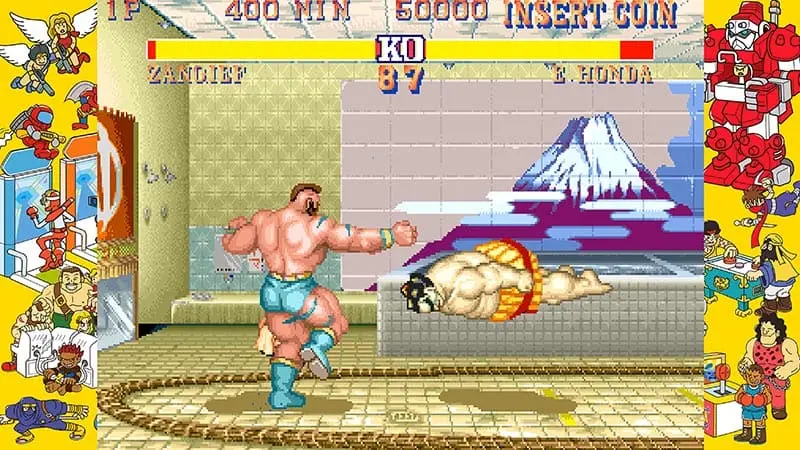
Street Fighter II Turbo is remembered for one thing before anything else: speed. Matches move faster than earlier versions, making the game more aggressive and much harder to put down when two people are playing.
Balrog, Vega, Sagat, and M. Bison also become playable, while several returning fighters gain new moves. However, Turbo works because it keeps the formula simple. Pick a character, hand the second controller to someone else, and start fighting. Few SNES games created rivalries as quickly.
Super Castlevania IV
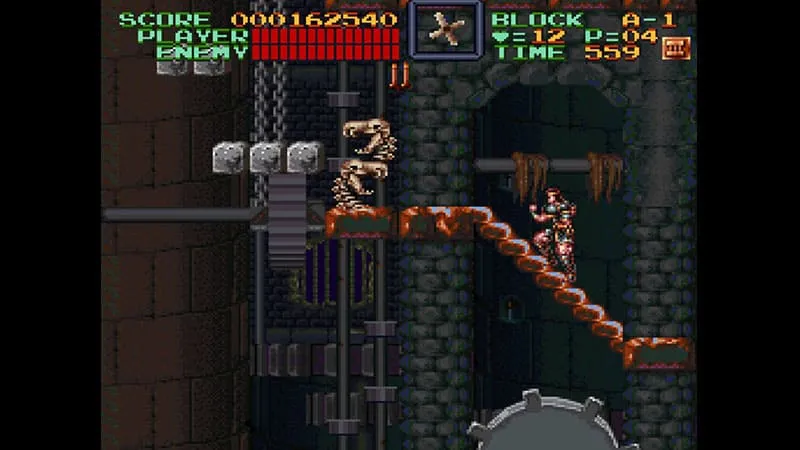
Super Castlevania IV feels like Konami showing off what the SNES can do. Rooms rotate, backgrounds twist, huge objects move toward the screen, and Mode 7 creates several memorable visual tricks.
Simon Belmont also gains much better control over his whip, which can now attack in eight directions and even help him swing across gaps. Despite all the technical effects, the game never loses Castlevania’s dark mood. The slow music, giant castle, and creepy environments make it one of the most atmospheric action games on the console.
Donkey Kong Country
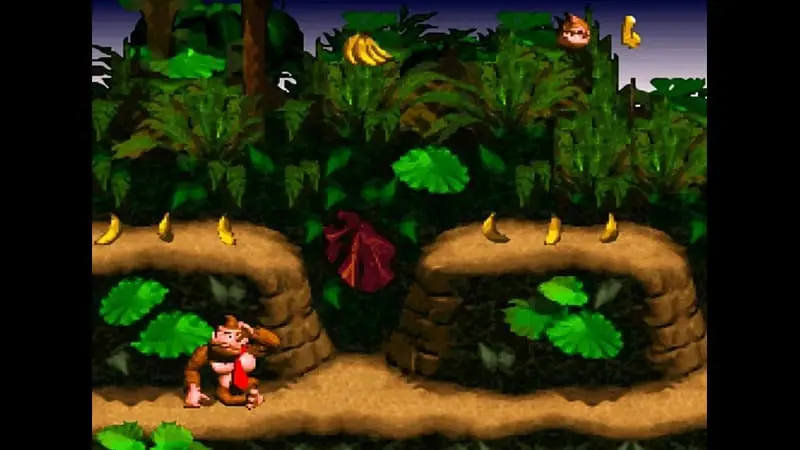
Donkey Kong Country was the kind of game people stopped to watch in stores. Rare’s pre-rendered graphics made Donkey and Diddy look almost three-dimensional, which was a huge deal on SNES in 1994.
Thankfully, the game had more than graphics. Barrel cannons, mine carts, animal companions, hidden rooms, and constantly changing environments keep the platforming fresh. Then there is the soundtrack, especially tracks like Aquatic Ambience. Donkey Kong Country did not simply look impressive; it became one of the defining games of the console’s later years.
Mega Man X
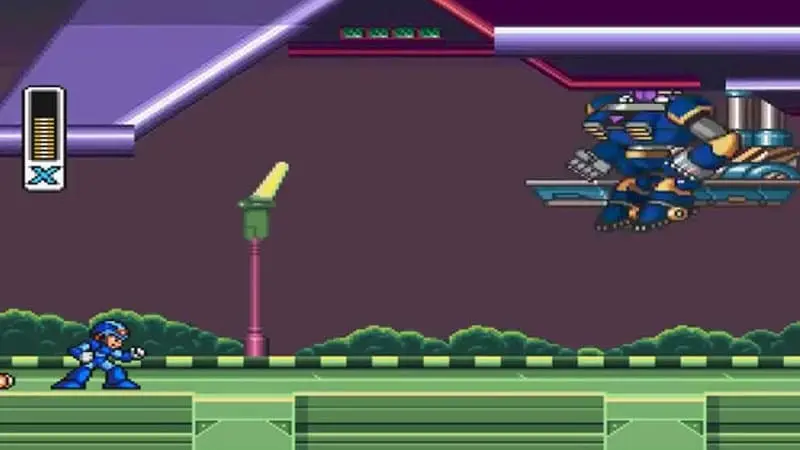
Mega Man X keeps the boss-based structure of the NES games but changes how everything feels. X can climb walls, dash across stages, and discover hidden armor upgrades that make exploration much more rewarding.
The eight Mavericks still give players freedom to choose their route, while defeating some of them can even change other stages. Zero also makes his first appearance and immediately gives the series a new identity. Mega Man X feels faster, darker, and more ambitious than what came before, which is why it remains one of the most remembered action games on SNES.
Teenage Mutant Ninja Turtles IV: Turtles in Time
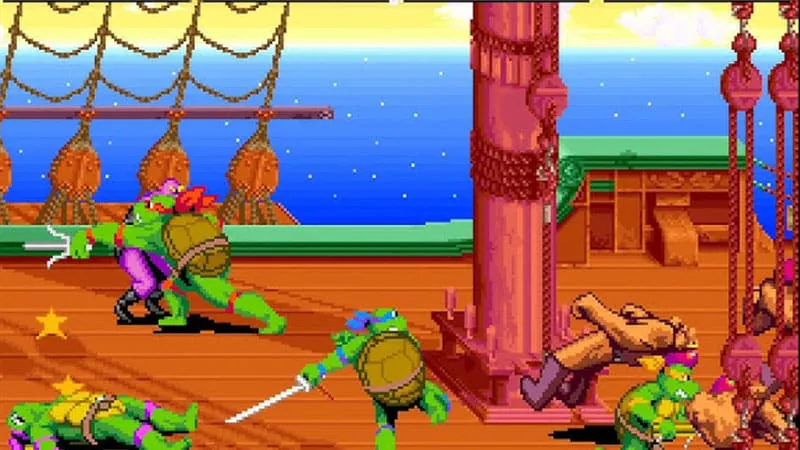
Turtles in Time is one of those games that almost automatically brings a second controller into the room. Leonardo, Donatello, Raphael, and Michelangelo fight through Foot Soldiers across streets, pirate ships, prehistoric areas, and futuristic stages.
The SNES version also adds new content and changes several parts of the arcade release. Throwing enemies directly toward the screen during the Shredder battle remains one of its best-known moments. It is short, simple, and extremely replayable, which is exactly why so many 90s players still remember it.
Super Mario RPG: Legend of the Seven Stars
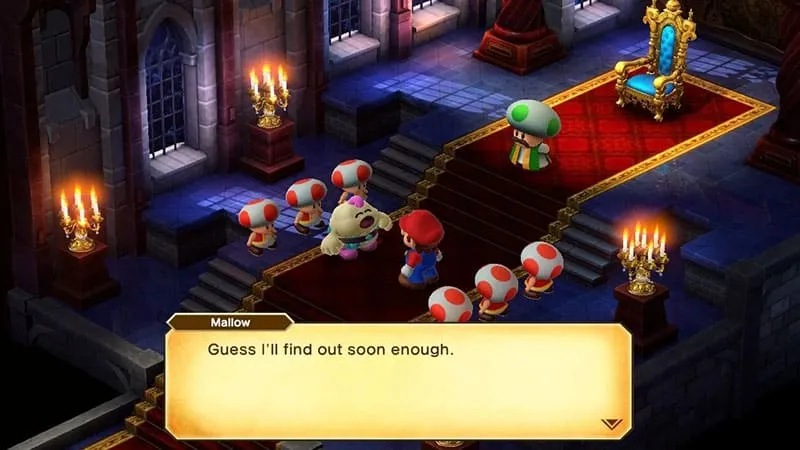
Super Mario RPG takes Nintendo’s most familiar character and drops him into a Square-style RPG. Mario gains party members, equipment, experience points, and turn-based battles, but the game never loses its playful personality.
Timed button presses make attacks more interactive, while Bowser and Peach eventually fight alongside Mario. Geno and Mallow also become fan favorites despite appearing in only a handful of games afterward. The strange mix of Mario humor and Square RPG design gives Super Mario RPG a personality that still feels completely different from anything else on the SNES.
Super Mario World 2: Yoshi’s Island
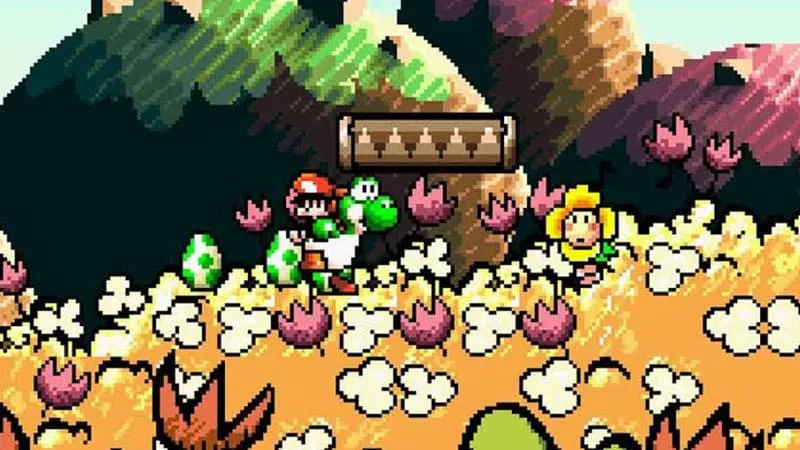
Yoshi’s Island does not look like a typical SNES game. Its pastel colors, uneven lines, and crayon-like backgrounds make every stage feel hand-drawn.
The gameplay is just as different. Yoshi turns enemies into eggs, aims them at targets, and uses a flutter jump to reach difficult areas. Baby Mario also changes the usual health system, because getting hit starts a frantic countdown to recover him. Super FX 2 effects create giant bosses and strange transformations, but the art style is what really makes Yoshi’s Island impossible to confuse with anything else.
Super Metroid
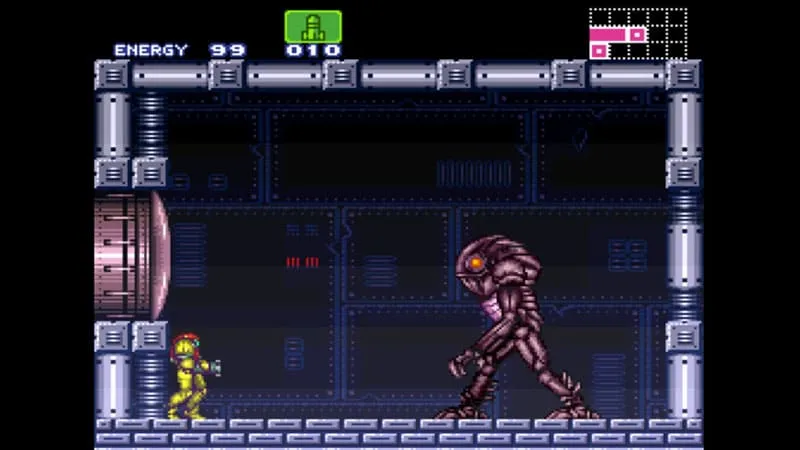
Super Metroid drops Samus onto Zebes and lets the player figure things out. Locked doors, strange walls, hidden passages, and unreachable ledges constantly suggest that there is more to discover.
New abilities slowly change the map. The Morph Ball opens narrow tunnels, the Grappling Beam crosses gaps, and the Speed Booster breaks through areas that once looked ordinary. Yet Super Metroid is remembered for more than exploration. Its quiet music, lonely environments, and minimal dialogue create an atmosphere few SNES games ever matched. It trusts the player, and that trust is a big part of why it still feels special.
Chrono Trigger
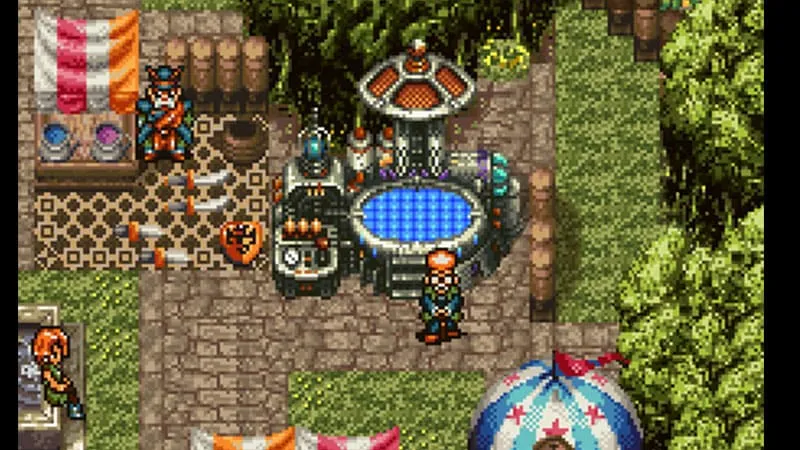
Chrono Trigger begins at a town fair and quickly turns into a journey across time. The party visits prehistoric lands, medieval kingdoms, ruined futures, and several other eras that gradually connect into one story.
Enemies often appear directly on the map instead of through random encounters, while Double and Triple Tech attacks let party members combine abilities. Choices can also lead to different endings. Akira Toriyama’s character designs give the cast an instantly recognizable look. Square made many great RPGs on SNES, but Chrono Trigger remains one of the easiest to remember.
The Legend of Zelda: A Link to the Past
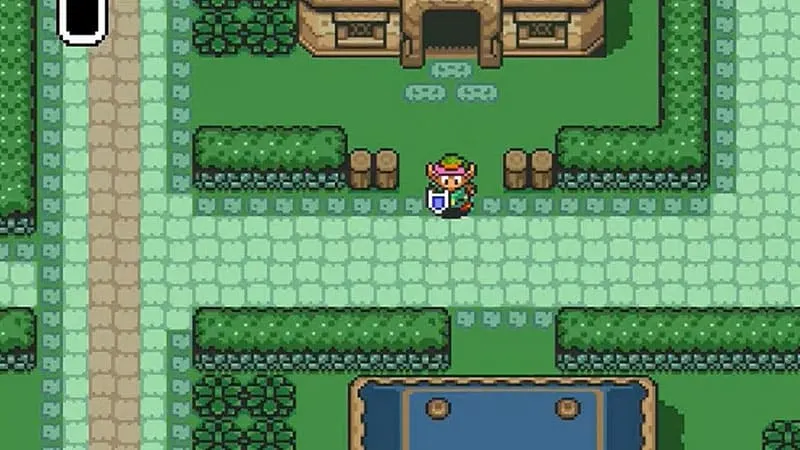
A Link to the Past opens with Link heading into a storm toward Hyrule Castle, and from there the world keeps getting larger. Bombs uncover hidden caves, new items open previously unreachable areas, and almost every part of the map seems to hide something.
Then the Dark World appears and changes the way the entire adventure works. Familiar locations return with different routes, enemies, and puzzles, while travelling between both worlds becomes part of progression. A Link to the Past brought many of Zelda’s most important ideas together in one game, and for countless SNES owners, this is still the version of Hyrule they remember first.
Final Thoughts
The best SNES games are remembered because each one left a different mark. Some pushed the hardware, some brought people together around one television, and others created worlds that players never forgot.
That is why the SNES still inspires so much nostalgia. These games are not only pieces of gaming history. For many 90s players, they are pieces of childhood.
If you would rather watch the full list, you can check it out through this link or watch the video directly below.

