

Ninjala 2: The Uncharted Planet is taking a very different path from the original game. Rather than building another competitive multiplayer experience around short matches, the sequel expands the idea into a much larger action adventure with exploration, PvE combat and cooperative play at its center.
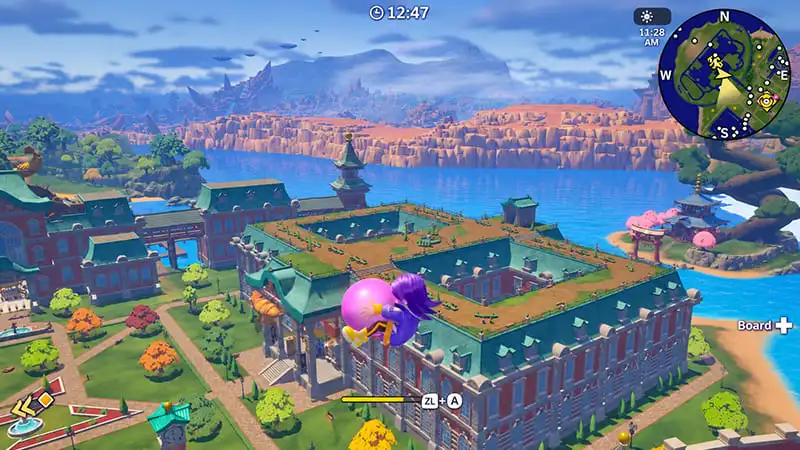
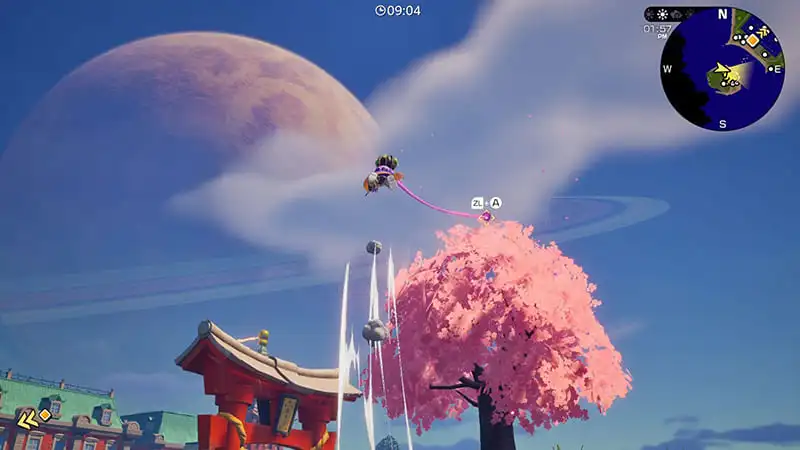
That change becomes clear almost immediately. The new world gives players much more freedom to move, and many of Ninjala’s familiar abilities now serve exploration as much as combat. Wall climbing, double jumps, Gum Glide and Gum Hook can all be chained together while moving through larger environments. A skateboard adds another option for covering ground quickly without turning traversal into a simple sprint between objectives.
The result looks considerably more fluid than the first game’s arena-based structure.
Movement Is One of Ninjala 2’s Strongest Ideas
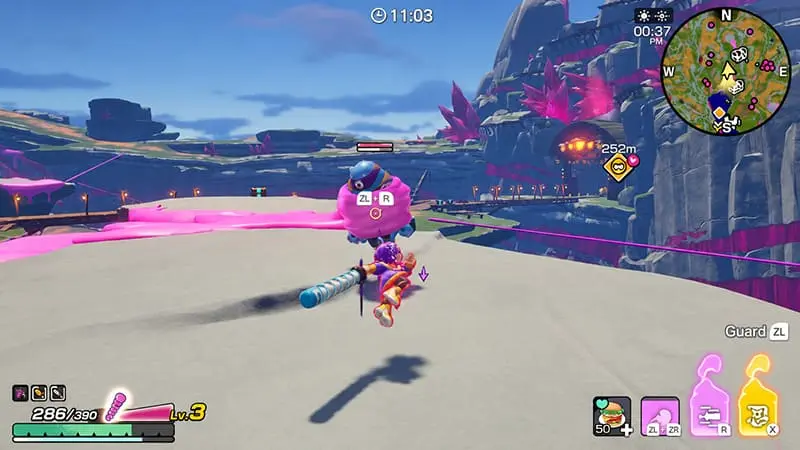
Traversal may end up being one of the sequel’s biggest strengths. Players are not restricted to following obvious paths through the environment. Walls can be climbed, gaps can be crossed with aerial abilities, and Gum Hook allows the character to quickly pull toward distant points. Several movement options also work together rather than functioning as isolated abilities.
Even the skateboard fits into this system. Players can continue using certain traversal abilities while riding it, which should make moving through larger areas feel less interrupted.
This matters because an open world only works when getting around it is enjoyable. Ninjala 2 appears to understand that problem early. Instead of simply making the maps larger, it gives players a broader set of tools for interacting with them.
Combat Has Been Reworked Around PvE
The change in direction also affects combat.
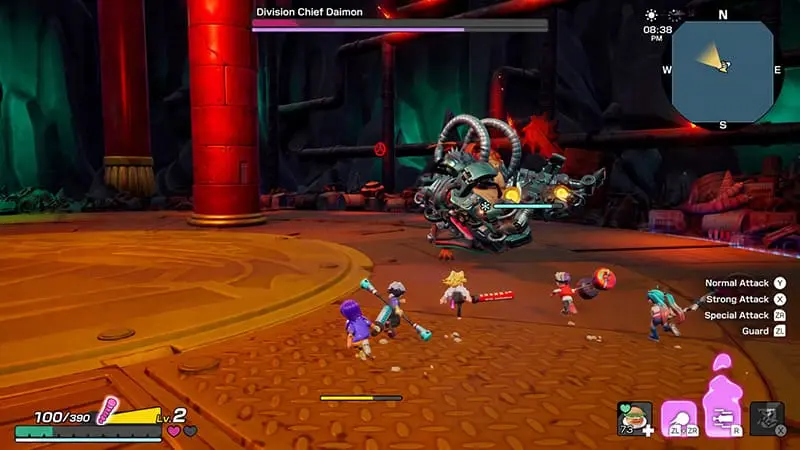
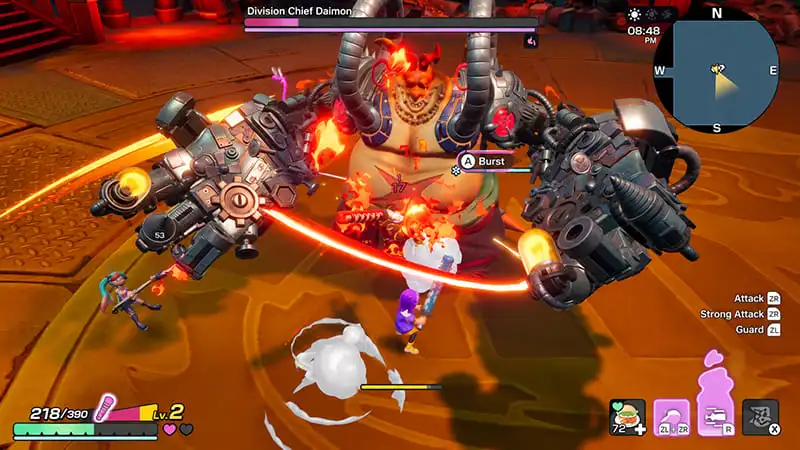
The original Ninjala relied heavily on competitive encounters and its weapon clash system. Ninjala 2 moves away from that structure. Battles now appear to be designed primarily around fighting groups of enemies and larger bosses, which gives the developers more room to create encounters without balancing everything around another human player.
Players can still use standard attacks, defensive moves and gum-based abilities, but the flow is different. Guarding at the right moment can trigger a perfect guard, while Gum Bind can restrict enemies and create openings for follow-up attacks.
Gum Rush and IPPON attacks remain part of Ninjala’s identity, although they now fit into a more traditional action combat loop. Perfect guards also have additional uses. Certain ranged attacks can be reflected back toward enemies, adding another layer to defensive timing instead of making guarding purely about reducing damage.
The Environment Is Part of the Fight
One of the more interesting additions is how frequently the environment can become a weapon.
Gum Throw allows players to grab different objects and launch them at enemies. Boxes and environmental debris can be used this way, but the mechanic extends further than simple props. Some immobilized enemies can also be thrown, while destructible sections of the environment can create additional opportunities during combat.
The boss encounter shown in the playable build demonstrates the idea particularly well. During a later phase, debris launched by the boss can be caught and thrown back. It is a small mechanic on its own, but it suggests that battles may reward players for paying attention to what is happening around them rather than simply repeating the strongest combo.
Elemental Effects Could Add More Depth
Weapons are also gaining elemental properties. The katana available in the preview build can gradually apply Freeze to enemies. Once enough of the effect has accumulated, the target becomes frozen and vulnerable. Other weapons and character abilities are expected to interact with different status effects, potentially making equipment choice more important against specific enemies.
How deep this system becomes is still difficult to judge. The final game will need enough enemy variety and weapon differences to stop elemental effects from becoming another meter players mostly ignore. Still, it gives combat another layer that was largely absent from the original Ninjala.
Exploration Goes Beyond Fighting
Ninjala 2 is not filling its larger areas exclusively with enemies.
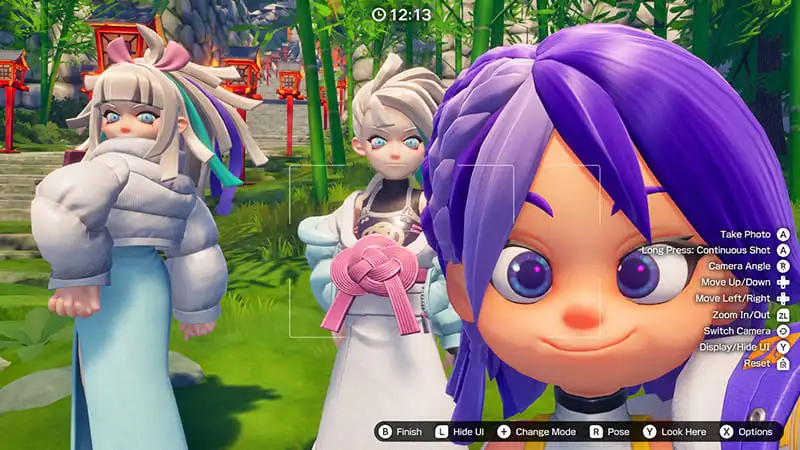
WNA Academy acts as an explorable location populated by other characters, and players can take on side activities while building relationships with students they meet along the way. Those relationships may also have a gameplay purpose. Certain characters can eventually provide support during special attacks, connecting some of the social progression directly to combat.
Character customization is returning as well. Clothing, hairstyles and color options remain an important part of Ninjala’s identity, and the sequel appears to be expanding those systems rather than abandoning them during its move toward a larger adventure. That combination could help the world feel more personal, especially if side characters receive enough individual stories and useful rewards.
Co-op Could Make the New Structure Even Better
The move toward PvE also makes cooperative play a much more natural fit. Ninjala 2 supports solo play alongside multiplayer options for up to four players. Exploring larger environments and fighting bosses together makes sense for the new structure, especially when the combat system already includes crowd control, status effects and environmental interactions.
However, there are still important questions.
It remains unclear how progression will work between players, how freely groups can explore together, or whether missions and side activities will support co-op without restrictions. Those details could have a major effect on how useful multiplayer feels outside combat. For now, co-op looks less like an additional mode and more like something designed alongside the main game.
Early Verdict
Ninjala 2: The Uncharted Planet does not look interested in simply repeating the original formula with more content.
Its shift toward open exploration, PvE combat and cooperative play changes almost every part of the experience. Movement looks faster and more flexible, combat has been redesigned around enemies rather than competitive clashes, and environmental interactions give players more ways to approach encounters.
There are still plenty of unknowns. Mission variety, open-world density, progression and long-term combat depth will ultimately determine whether these ideas can support an entire game.
Even so, the early build shows a sequel that is taking meaningful risks instead of settling for a safer continuation. For players who liked Ninjala’s style but wanted a more substantial adventure built around it, this may be the version worth watching.

