

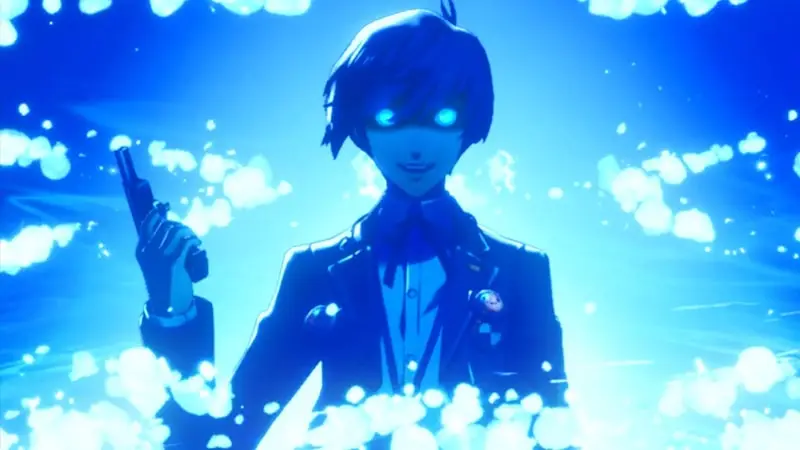
Summary: Persona 3 Reload retells 2006’s Persona 3 with a modern visual language, updated combat, and expanded cutscenes. It arrives on Switch 2 on October 23, 2025. The core story and style of the game are impressive, but the 30 FPS lock and frame pacing hiccups felt in handheld gameplay leave some technical questions.
Story
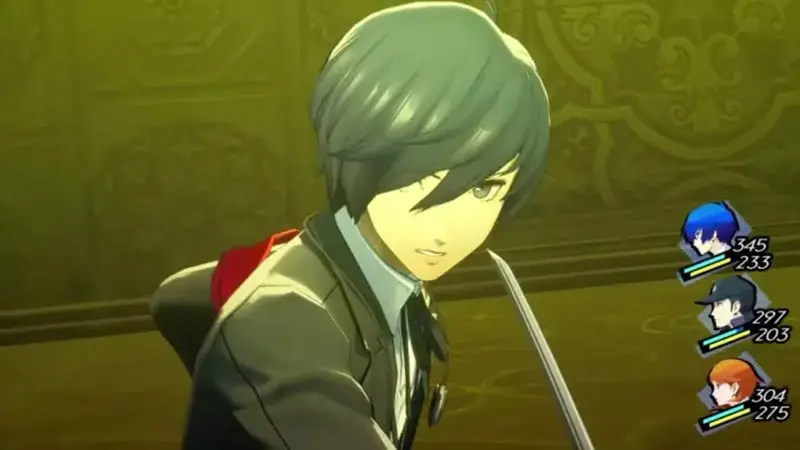
The main character, starting her new school, is confronted by the secret 25th hour, known as “Dark Hour,” which appears at night, and the city’s transformation into a giant tower called Tartarus. As the SEES team tries to solve this mystery, the game explores themes of death, loneliness, and belonging with direct yet measured language. Reload presents scenes more cinematically, with a wider use of camerawork and voice acting. The number of small, everyday moments between characters increases, and the development of relationships becomes more visible.
Two points remain unchanged for those who have played the series before:
- The female protagonist (FeMC) route from Persona 3 Portable is missing from this installment.
- “Episode Aigis – The Answer,” which corresponds to the epilogue scenario in Persona 3 FES, is not included in the base package; it is sold as a separate expansion.
Gameplay: Social Sim by day, Dungeon by night
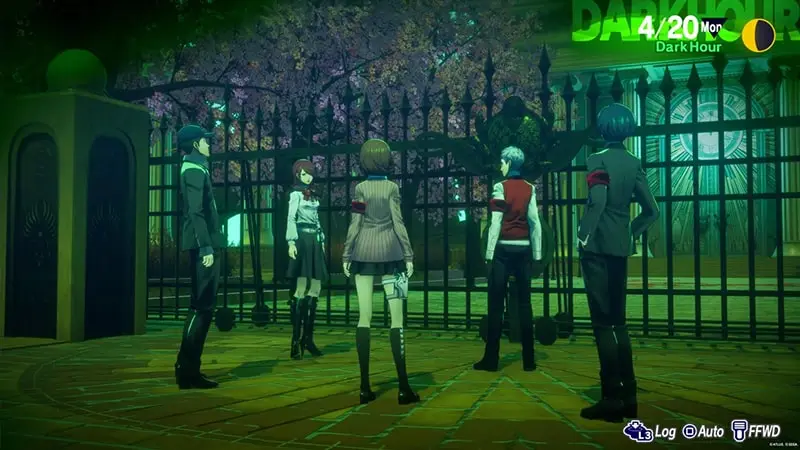
During the day, school and social life revolve around classes, clubs, part-time jobs, and friend meetings. As social link relationships progress, better options for Persona combinations become available, directly impacting your combat power. Time management is the game’s fabric; choosing who to spend time with each day is a strategic decision.
At night, Tartarus transitions to turn-based combat. The system’s core is built around finding and exploiting weaknesses: locate a weak point → knock out an opponent → take the “1 More” round → close the fight with team chains and a full finish. Reload’s clearest improvement lies here: you have full control over your party; the interface is fast, the command flow is clear, and the combat pace is up to par with current JRPG standards.
Dungeon design, however, requires setting expectations: Tartarus is a single, multi-story tower. Thematic diversity isn’t as extensive as Persona 5’s palace structure. While long sessions can feel a bit repetitive, the fluidity of the combat system and the risk-reward cycle keep motivation high.
Visual and Music
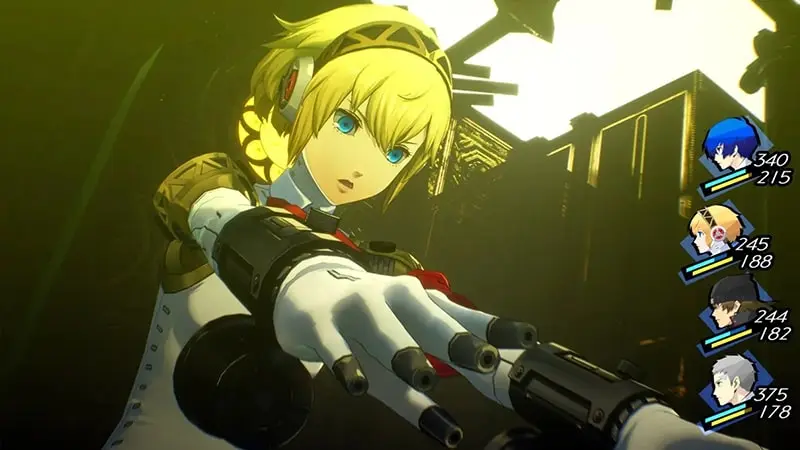
Reload clearly conveys the remake feel with its stylized interface and modern character models, along the lines of Persona 5. Animated menus and results screens give the game a strong identity. While some high-end effects have been trimmed on the Switch 2, the art direction has carried over: docked to the TV, the image is sharp and consistent, and handheld, the modeling and interface shine.
The series’ soundtrack once again plays a key role. Modern arrangements perfectly convey the rhythm of combat and enhance the atmosphere during day-to-night transitions. Additional vocal options introduced with the Switch 2 launch (the familiar vocals from the original Persona 3 return) offer a welcome alternative for those familiar with the series; new players can continue by selecting their preferred set from the menu.
Switch 2 Performance
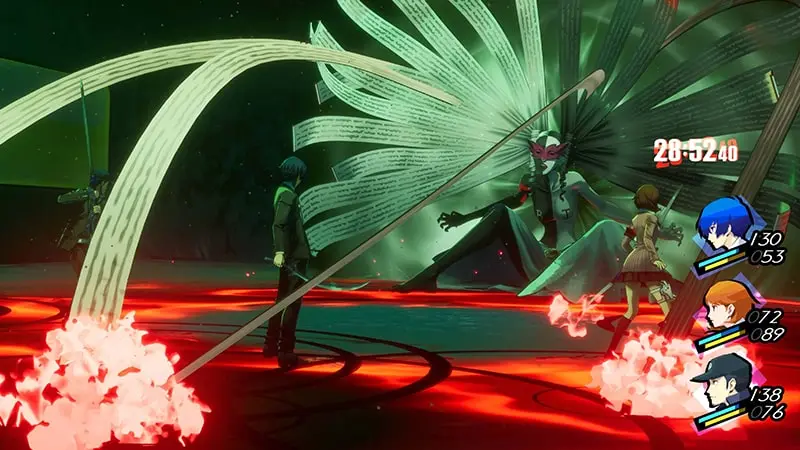
The technical specs are the most talked-about aspect of this port.
- Frame Rate: The launch version is locked to 30 FPS. There’s no 60 FPS mode.
- Frame Pacing: Frame timing can feel erratic, especially when the camera is rotated freely in a handheld mode. This can create the perception of minor stuttering even if the actual FPS doesn’t drop.
- Docked vs. Handheld: The same 30 FPS lock is more acceptable when docked to a TV, and pacing is less disruptive; the lag is more noticeable during long handheld sessions.
- Loading Times: Compared to larger consoles, there’s a slightly longer delay during cutscenes; it’s not enough to disrupt the flow, but the difference in pacing is noticeable.
At the end of the day, if you’re thinking “I play on the couch in front of the TV,” the experience is quite satisfying; if you’re saying “I mostly play handheld,” it’s wise to adjust your expectations accordingly.
Who is it Recommended For?
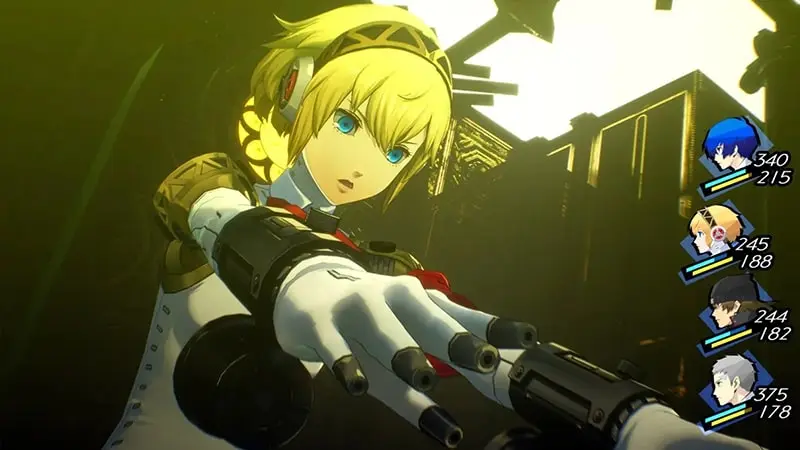
- Newcomers to the series: Those who enjoy the story-driven, social sim-turned-combat mix; well-suited for players looking for a long-playing (70–100 hour) JRPG.
- Those who enjoyed Persona 3 in the past: A clear recommendation for those who want to re-experience it with modern conveniences without the limitations of the old gameplay (such as party control).
- Those who primarily play portable games: Handheld pacing can be frustrating; docked play is a safer choice.
Pros / Cons
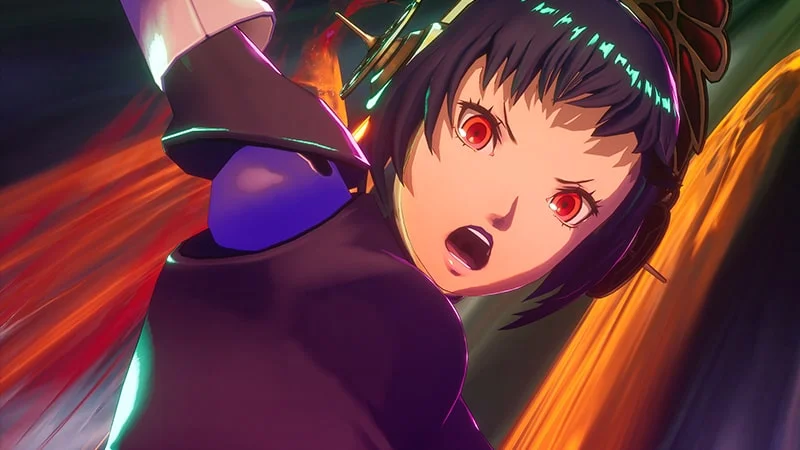
Pros
- Strong theme and character writing
- Full-scripted, fluid combat system
- Stylized interface and modern presentation
- Expanded cutscenes and voice acting
Cons
- 30 FPS lock; handheld frame pacing noticeable
- FeMC route and Episode Aigis are not included in the base package
- Tartarus’s monotonous structure can be tiring in long sessions
Final (Scored Evaluation)
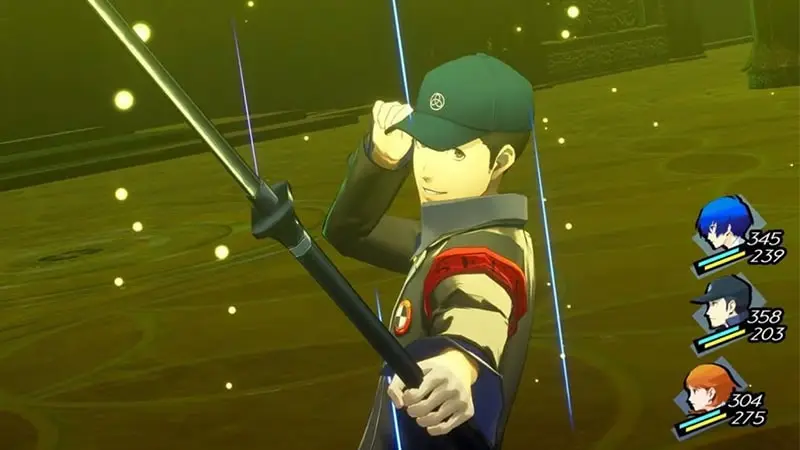
- Overall: 8/10
- Story & Characters: 9.5/10
- Combat & Pace: 9/10
- Visuals/Presentation: 9/10
- Performance (Switch 2): 6/10
Verdict: Persona 3 Reload succeeds in bringing its inherent quality to the Switch 2. It’s not perfect on the technical side, but the game’s story, style, and modernized gameplay largely offset these shortcomings. It’s a solid recommendation for those primarily playing docked games; for those aiming for long sessions, “expectation management” is essential.

